
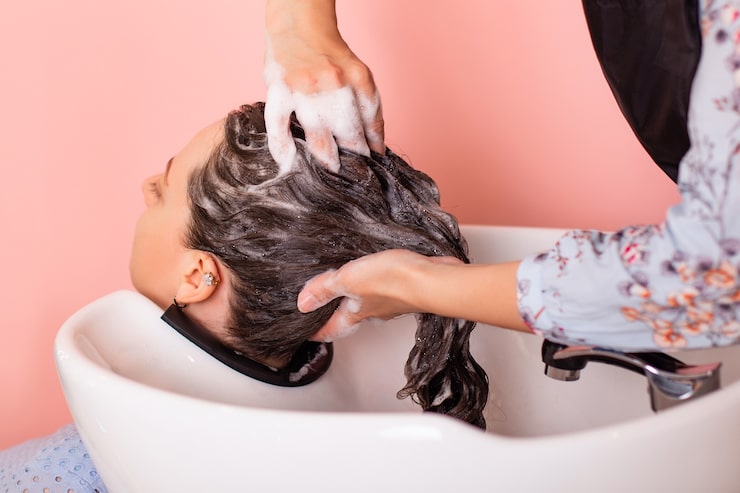
Persistent hair thinning and compromised follicular stability present significant challenges to personal confidence and overall scalp health. When follicles lose their anchoring strength, hair fibers become susceptible to premature shedding, miniaturization, and eventual follicle dormant states. Identifying an effective hair roots treatment is often the foundational step toward reversing structural weakness before permanent damage occurs. For individuals seeking targeted clinical evaluations, exploring options like hair restoration columbia sc offers localized access to advanced dermatological procedures designed to reactivate latent dermal papilla cells.
Understanding the structural anatomy of human hair provides valuable context for medical therapy. Each hair strand originates within a complex dermal envelope supplied by microscopic blood vessels. When inflammatory responses, hormonal fluctuations, or nutritional deficits disrupt this micro-environment, the structural root degrades. Restoring this biological foundation requires targeted pharmacological, surgical, or cellular interventions tailored to the underlying cause of follicular deterioration.
Pharmacological Approaches to Hair Roots Treatment
Pharmacological therapy remains the primary line of defense against progressive hair thinning, aiming to halt follicular miniaturization and optimize nutrient delivery.
Topical Vasodilators and Follicular Stimulants
Topical Minoxidil remains a foundational medical application for stimulating follicular activity. By hyperpolarizing cell membranes and relaxing arterial smooth muscle, it increases microvascular blood flow directly around the root complex. This heightened perfusion delivers oxygen and critical amino acids directly to the hair matrix, prolonging the anagen (growth) phase of the hair cycle. Daily application strengthens micro-vascular networks surrounding compromised roots, fostering an environment where fragile strands can regain shaft diameter and tensile strength.
Oral Anti-Androgens and Enzyme Inhibitors
In cases driven by androgenetic alopecia, systemic therapies target the biological root cause: dihydrotestosterone (DHT). DHT binds to androgen receptors within susceptible scalp follicles, causing progressive miniaturization.
- Finasteride: Inhibits the type II 5-alpha reductase enzyme, lowering systemic and scalp DHT concentrations significantly.
- Dutasteride: Provides dual inhibition of both type I and type II 5-alpha reductase enzymes, offering a potent alternative for aggressive patterns of loss.
- Spironolactone: Frequently utilized off-label for female pattern hair loss to block androgen receptors and lower circulating systemic androgen levels.
By neutralizing DHT-induced follicular constriction, these systemic medications allow weakened roots to recover their normal structural depth within the dermal layer.
Biologic and Regenerative Therapies
Regenerative medicine has introduced non-surgical avenues focused on repairing damaged tissue and stimulating cellular proliferation around vulnerable roots.
Platelet-Rich Plasma (PRP) Therapy
Platelet-Rich Plasma therapy utilizes the patient’s own concentrated blood plasma, rich in endogenous growth factors. After isolation via centrifugation, the plasma is injected directly into the sub-dermal layer surrounding targeted root zones.
[Patient Blood Draw] ➔ [Centrifugation Separation] ➔ [Concentrated Growth Factors] ➔ [Targeted Sub-Dermal Injections]
Key growth factors released during this procedure include:
- Vascular Endothelial Growth Factor (VEGF): Promotes angiogenesis and improves micro-circulation around the hair root.
- Platelet-Derived Growth Factor (PDGF): Stimulates cellular division and tissue repair within the dermal papilla.
- Transforming Growth Factor-Beta (TGF-β): Regulates matrix production and cellular differentiation.
This localized biological boost reactivates sluggish follicles, reinforces root anchoring, and improves overall hair density over a series of treatments.
Exosome and Stem Cell Conditioning
Exosome therapy represents the next iteration of acellular regenerative care. Derived from human stem cells, exosomes carry microRNA, proteins, and signaling peptides directly to compromised dermal papilla cells. This intercellular signaling encourages cellular repair, reduces perifollicular inflammation, and prompts resting (telogen) follicles to transition back into active growth phases.
Advanced Surgical Interventions for Lasting Hair Restoration
When non-surgical treatments cannot reactivate dormant or scarred follicles, surgical techniques provide permanent redistribution of healthy roots.
Follicular Unit Extraction (FUE)
FUE involves the precision extraction of individual follicular units—containing one to four hair roots treatment—from donor-dominant zones, typically the occipital scalp. Microscopic punches create minimal disruption to surrounding tissue. These extracted units are meticulously transplanted into pre-formed recipient sites, ensuring precise direction, angle, and density.
Follicular Unit Transplantation (FUT)
Also referred to as strip surgery, FUT involves harvesting a narrow strip of tissue from the donor site, which is then dissected under high-magnification stereomicroscopes into individual grafts. While FUT leaves a linear scar, it often yields a high volume of viable roots in a single surgical session, making it suitable for extensive hair loss patterns.
Localized Clinical Consultation and Expertise
Selecting an appropriate surgical or therapeutic protocol depends on accurate diagnostic evaluation, including trichoscopy and scalp biopsies. Consulting specialists knowledgeable in hair restoration columbia sc allows individuals to access tailored diagnostic assessments, multi-modal treatment plans, and specialized surgical expertise specific to their unique loss patterns.
+---------------------------------------------------------------------------------+
|                       Diagnostic Evaluation (Trichoscopy)                       |
+---------------------------------------------------------------------------------+
                                         |
                    +--------------------+--------------------+
                    |                                         |
        [Non-Surgical Candidates]                 [Surgical Candidates]
                    |                                         |
     +--------------+--------------+               +----------+----------+
     |                             |               |                     |
[Pharmacology]             [Regenerative]        [FUE]                 [FUT]
(Minoxidil/DHT Blocks)       (PRP/Exosomes)   (Individual Grafts)  (Strip Grafting)
Low-Level Laser Therapy and Adjunctive Modalities
Biostimulation via photobiomodulation offers a non-invasive adjunct to medical regimens.
Mechanisms of Photobiomodulation
Low-Level Laser Therapy (LLLT) uses specific red light wavelengths (typically 650–670 nanometers) to penetrate the scalp tissue. Cytochrome c oxidase within mitochondrial membranes absorbs this light energy, boosting adenosine triphosphate (ATP) production within follicular cells.
Clinical Impact on Root Anchoring
Increased cellular energy facilitates healthier protein synthesis, essential for keratine production. LLLT also mitigates localized oxidative stress and inflammation, creating a stable environment for fragile roots to maintain structural integrity and resist premature shedding.
Comprehensive Care for Long-Term Root Vitality
Addressing hair loss effectively requires a multi-faceted strategy that combines systemic stabilization, localized root stimulation, and proper surgical intervention when indicated. Whether initiating a targeted hair roots treatment using advanced therapeutics or opting for surgical solutions through top-tier hair restoration columbia sc clinics, early diagnosis and consistent medical compliance remain the most critical factors in securing long-term hair density and root resilience.