
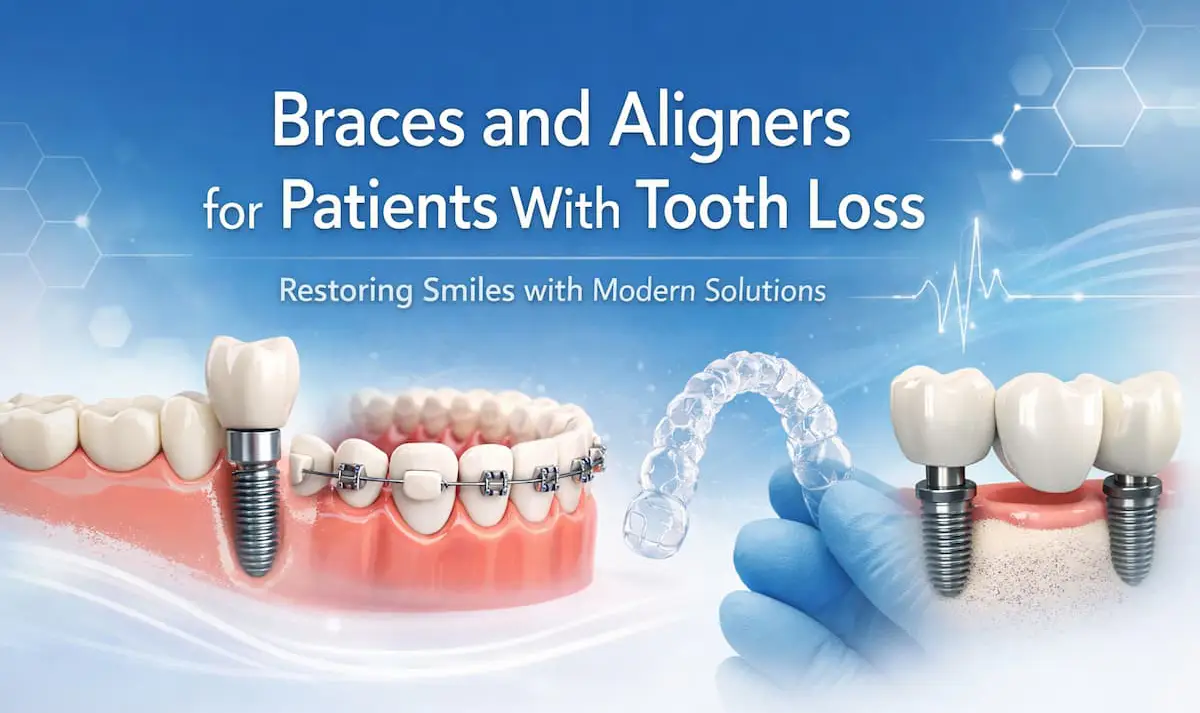
Tooth loss can affect more than appearance; it can influence bite function, jaw comfort, and long term oral health. Many people assume orthodontic treatment isn’t possible when teeth are missing, but modern orthodontics has evolved to address these challenges effectively. With advances in planning, materials, and interdisciplinary care, braces and aligners can be used to manage spaces, correct alignment, and prepare the mouth for future restorations. Understanding today’s options helps patients make informed decisions and feel confident about pursuing treatment that restores balance, function, and aesthetics.
Understanding Tooth Loss and Orthodontic Challenges
Missing teeth can result from decay, gum disease, injury, or congenital absence. When a tooth is lost, neighbouring teeth often drift into the space, leading to uneven spacing and bite imbalance.
Common orthodontic challenges associated with tooth loss include:
- Uncontrolled movement of adjacent teeth
- Uneven pressure during biting and chewing
- Changes in jaw alignment
- Complications when planning future restorations
Orthodontic treatment addresses these issues by controlling space, stabilising the bite, and improving alignment to support long term oral health.
Can Braces and Aligners Work With Missing Teeth?
Orthodontic treatment is often possible, even beneficial, for patients with missing teeth. Suitability depends on factors such as the number and location of gaps, gum health, and overall bite relationships.
Key considerations include:
- Whether spaces should be closed or preserved
- Plans for future restorations such as implants or bridges
- Bone quality and periodontal stability
- Patient compliance and treatment goals
With careful assessment and personalised planning, modern orthodontics can deliver predictable outcomes despite the presence of gaps.

emergency dentist in Inverness
Modern Braces for Patients With Tooth Loss
Fixed braces remain a reliable option for managing spacing and alignment when teeth are missing. Braces allow precise control of tooth movement and are especially helpful in complex cases requiring anchorage.
Benefits of braces include:
- Accurate space closure or maintenance
- Strong control over bite correction
- Suitability for complex movements
In situations where discomfort, swelling, or appliance issues arise during treatment, collaboration with an emergency dentist in Inverness helps manage symptoms promptly and keeps orthodontic progress on track.
Clear Aligners for Patients With Missing Teeth
Clear aligners have become a popular choice for patients seeking a discreet approach to orthodontic care. Using digital scans and simulations, aligners can be customised to manage spacing while guiding teeth gradually into position.
Advantages of aligners include:
- Nearly invisible appearance
- Removable design for easy cleaning
- Digital planning that visualises outcomes in advance
Aligners are particularly effective for space management when overseen by an orthodontist Inverness patients trust, ensuring accurate planning and ongoing monitoring.
Preparing for Future Tooth Replacement
Orthodontic treatment often plays a vital role in preparing the mouth for restorative solutions. Proper spacing and alignment are essential for the success and longevity of implants, bridges, or dentures.
Orthodontics can help by:
- Opening ideal spaces for implants
- Aligning teeth to support bridges
- Creating a stable, balanced bite
This staged approach ensures restorations fit comfortably and function effectively once orthodontic treatment is complete.
Benefits of Modern Orthodontic Solutions
Modern braces and aligners offer benefits that extend beyond aesthetics, especially for patients with tooth loss.
Key advantages include:
- Improved chewing efficiency
- Enhanced facial balance
- Reduced strain on remaining teeth
- Better long term stability
Patients often find that addressing alignment before replacing missing teeth leads to more natural looking and durable restorative results.
Limitations and Considerations
While modern orthodontics offers many solutions, treatment must be tailored to each individual. Certain limitations may affect planning and outcomes.
Important considerations include:
- Number and position of missing teeth
- Bone and gum health
- Length of treatment
- Patient commitment to care
Unexpected issues such as discomfort or inflammation can occur, and timely support from an emergency dentist in Inverness ensures patient comfort and safety throughout treatment.
Role of Orthodontist Expertise
Treating patients with tooth loss requires advanced clinical judgement and experience. Every movement must be carefully planned to avoid instability or unwanted shifts.
An experienced orthodontist provides:
- Detailed assessment of spacing and bite
- Customised treatment strategies
- Regular monitoring and refinements
Ongoing reviews with an orthodontist Inverness patients rely on help adapt treatment as needed and maintain predictable progress.
Braces vs Aligners: A Quick Comparison
| Aspect | Braces | Aligners |
| Space control | Excellent | Very good |
| Visibility | Noticeable | Discreet |
| Removability | Fixed | Removable |
| Hygiene | Requires extra care | Easier to clean |
Digital Planning and 3D Imaging in Complex Orthodontic Cases
Advances in digital orthodontics have significantly improved treatment predictability for patients with missing teeth. Modern 3D imaging and virtual treatment planning allow orthodontists to simulate tooth movement, space management, and bite changes before treatment begins. This technology reduces uncertainty and supports more accurate outcomes.
Key benefits include:
- Precise visualisation of tooth movement
- Better coordination with restorative planning
- Early identification of potential complications
- Reduced risk of unwanted tooth drift
Digital planning enhances patient confidence by clearly outlining expected results and timelines, especially in cases involving tooth loss.

Long Term Stability After Orthodontic Treatment With Missing Teeth
Maintaining orthodontic results is especially important for patients who have experienced tooth loss. Once teeth are aligned and spaces are properly managed, long term stability depends on careful retention and follow up care. Retainers help prevent relapse and protect the balance achieved during treatment.
Long term success is supported by:
- Custom retainers designed around missing spaces
- Regular orthodontic reviews
- Monitoring of bite forces and tooth wear
- Timely placement of planned restorations
With appropriate retention strategies, patients can preserve alignment, protect remaining teeth, and maintain oral function for years to come.
Conclusion
Modern braces and aligners have transformed orthodontic care for patients with tooth loss, offering flexible, effective solutions tailored to individual needs. Through precise planning and collaborative care, orthodontics can restore alignment, stabilise the bite, and prepare the mouth for future restorations. With expert guidance and personalised treatment, patients can achieve comfortable, confident smiles even in complex cases. The future of orthodontic care in Inverness continues to advance, providing reliable solutions that support long term oral health and quality of life.